Gathering at Ballyandreen: Carrageen, Local Fish and Potatoes
Ballyandreen is a small rocky cove just outside Ballycotton in East Cork, about 35 minutes' drive from Cork City. You could pass the turn without noticing it. I went down on a spring morning when the tide was well out, with a cloth bag, a pair of kitchen scissors and no great plan beyond seeing what the shore had to offer.
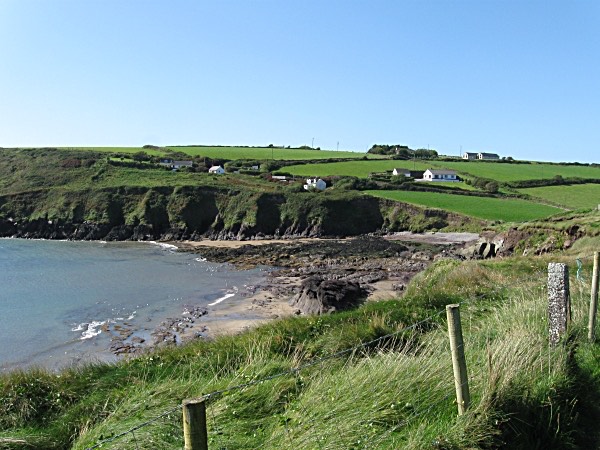
An old carrageen shore
This is not just any stretch of coast. For generations, people living at Ballyandreen gathered carrageen moss here and sold it. Myrtle Allen of Ballymaloe House, a few miles inland, got her carrageen from this shore for many years, and her carrageen moss pudding is still served at Ballymaloe today. Standing on the rocks, it is easy to see why: when the tide drops, the low ledges are thick with it.
Gathering a little, and leaving the rest
Carrageen grows low on the shore, in small, branching tufts that look dark purple-red under water and lighter where the sun catches them. It is only within reach for an hour or two around low tide, so there is no point arriving late.
I took only a small amount, enough for the kitchen at home. Rather than pulling at the plants, I cut the top third of each tuft with the scissors and left the rest attached to the rock. Carrageen grows back from what is left behind, and cutting this way means the same rocks will have it again another year. It is slow work, but there is no hurry on a shore like this.
There is no hurry on a shore like this.
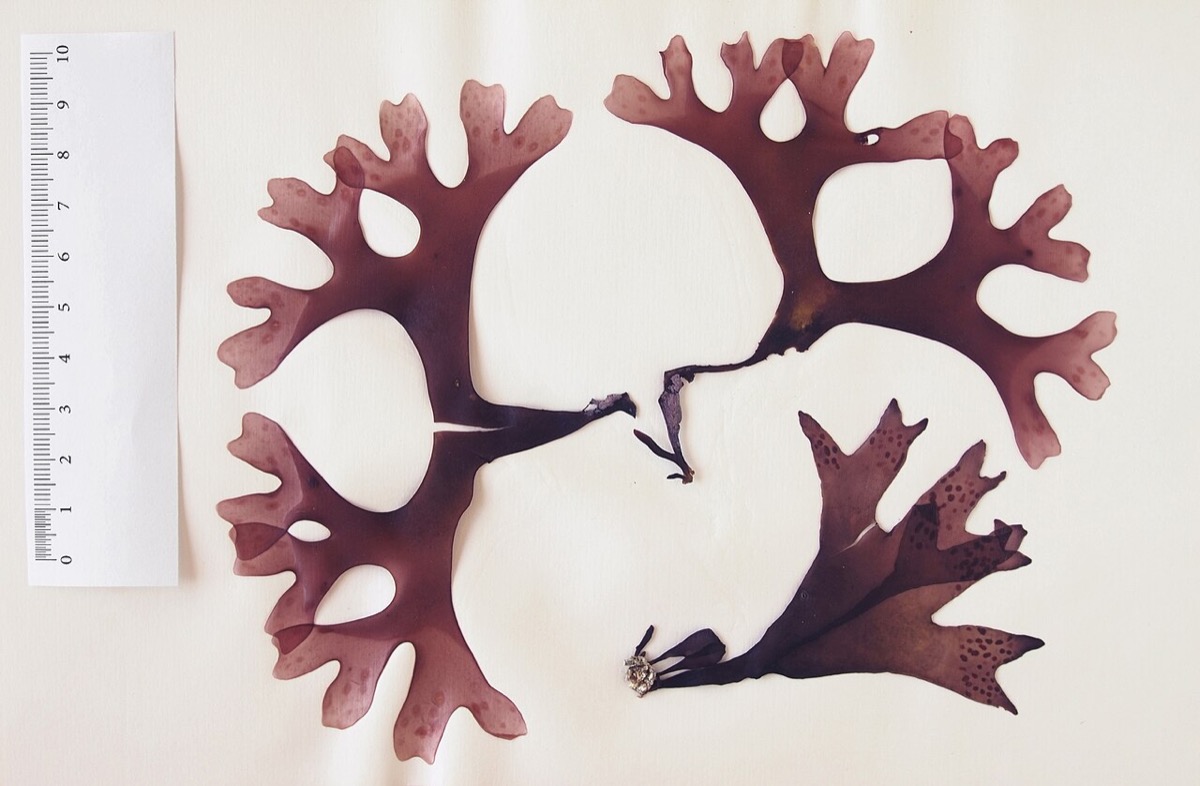
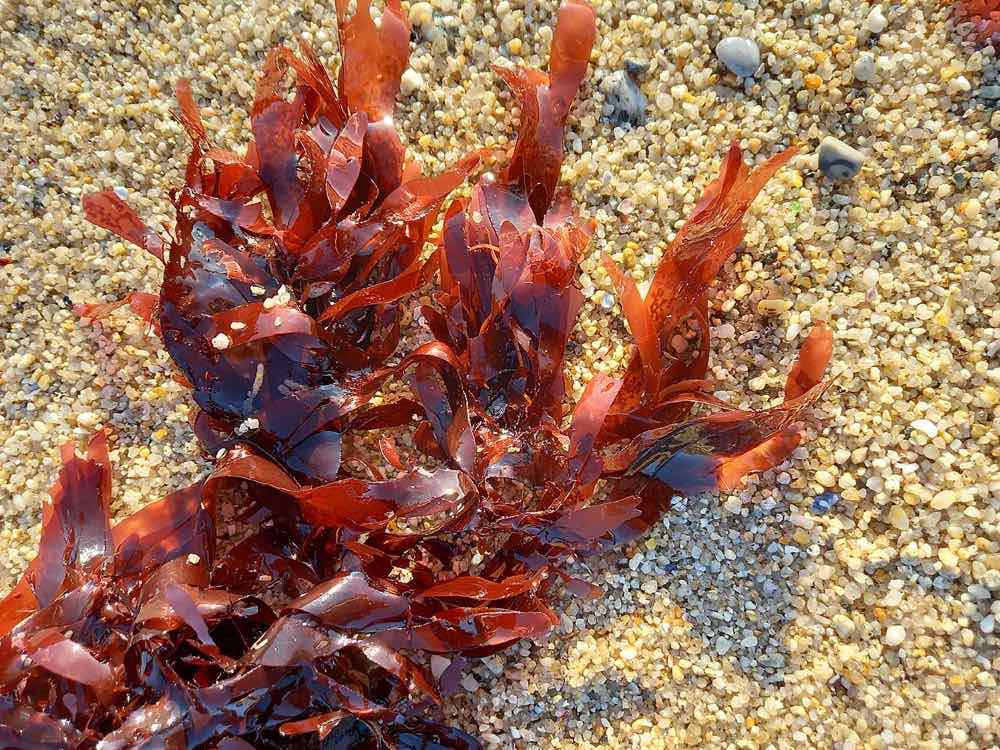
Further along the rocks there was dillisk, the long, flat, deep red fronds that many people in Ireland know as dulse, and bright green sea lettuce in the pools. I cut a few fronds of dillisk for the evening and left the sea lettuce where it was. A small bag was plenty.
Fish and vegetables on the way home
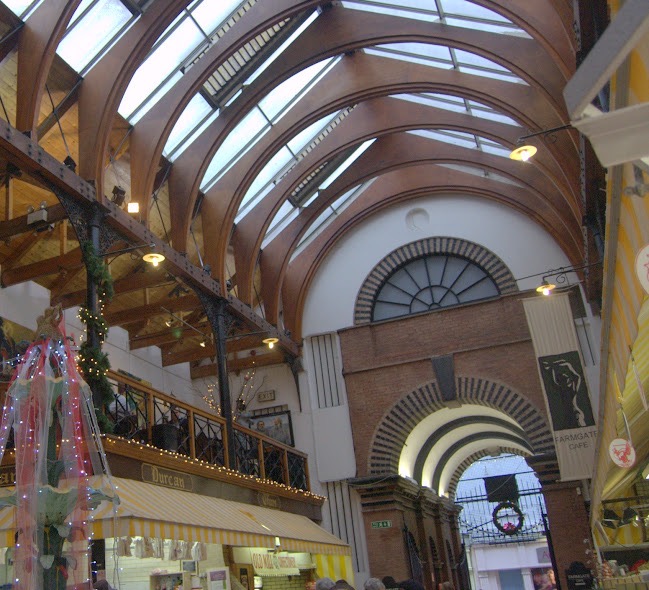
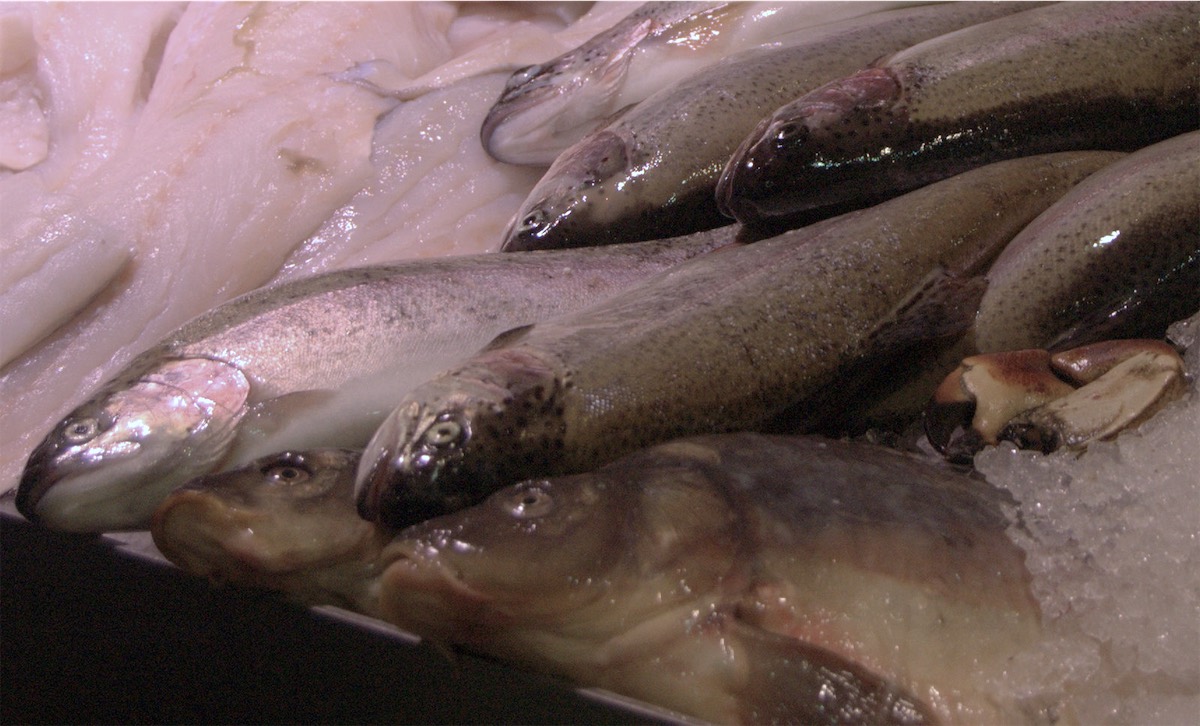
A shore like Ballyandreen makes you think about dinner. On the way back to the city I called into the English Market in Cork, which always has plenty of fresh fish and vegetables. I came away with a couple of fish fillets and a bag of potatoes. Nothing fancy: the kind of shopping people around here have always done.
A simple supper
At home I rinsed the seaweed well in cold water to wash off sand and any small shells. The carrageen went onto a clean tray by the window to dry. Once it is fully dry it keeps well in a jar.
Then the question was what to do with it. It seemed only right to look up Myrtle Allen's own recipe, and Ballymaloe still has it online: Mrs Allen's Carrageen Moss Pudding. It takes only a small handful of dried carrageen, set in milk. That will be for another day, once the moss is dry.
The dillisk was for that night. I boiled the potatoes in their skins, then fried the fish gently in butter, skin side down first, until it was just cooked through. While the fish rested, I chopped a little of the dillisk finely and stirred it into some melted butter. That went over the potatoes and the fish. Dillisk has a salty, savoury taste of the sea, so it needs no extra salt. A little goes a long way.
It is a plain plate of food, but everything on it came from within a few miles of that cove: the fish from the sea off the coast, the potatoes from nearby fields, and the dillisk from the rocks that morning.
Small amounts, ordinary food
Gathering at Ballyandreen is a reminder that seaweed in Ireland was never really a special or exotic thing. It was gathered by hand, a little at a time, and eaten alongside ordinary local food. That is the approach we take at Padder's Tales: Atlantic seaweed harvested by hand, cut so it can grow back, and meant to be used in everyday cooking. If you would like to know more about how we work, you can read about Padder's Tales.